
Logo design services help businesses turn a visual mark into a recognizable, trustworthy brand asset. The right partner combines strategic thinking with design execution, delivering a logo that works across every touchpoint (web, print, social, packaging) while reflecting your positioning. Choosing well means looking past price and turnaround time to evaluate process, brand strategy involvement, and file deliverables.
What do logo design services actually include?
At minimum, logo design services should include research, concept development, revisions, and final file delivery in formats ready for web and print. But a quality provider goes further than that.
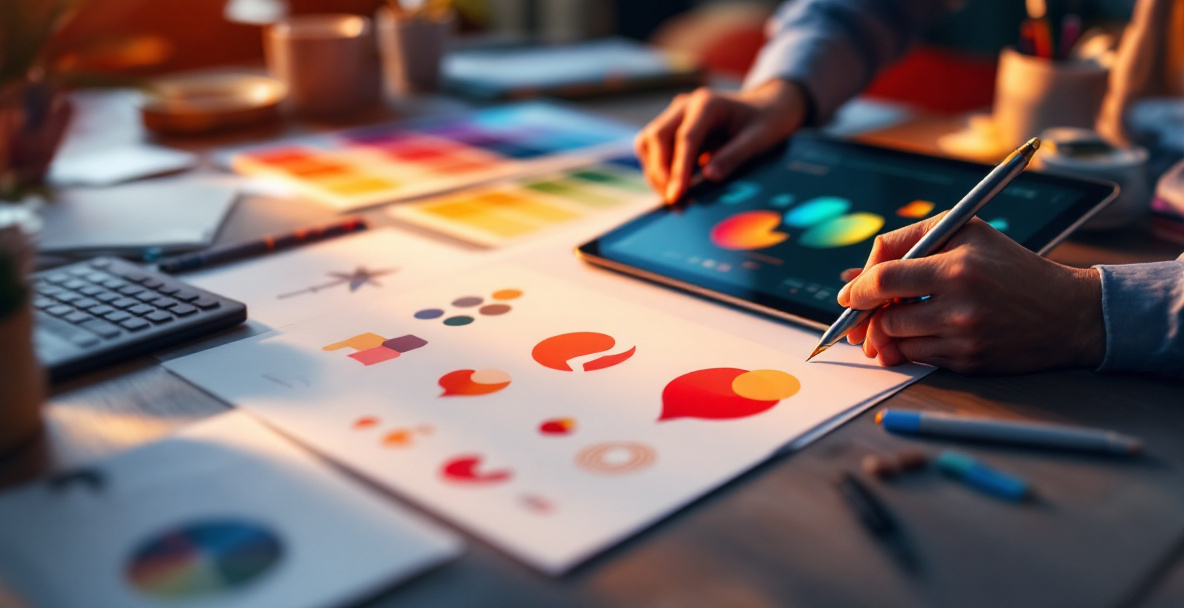
A strong engagement typically starts with a discovery phase covering your audience, competitors, and brand personality before a single sketch is drawn. From there, designers produce multiple concept directions, refine the chosen direction through revision rounds, and deliver a complete file package: vector files (AI, EPS, SVG), raster formats (PNG, JPG) in multiple sizes, and often basic usage guidelines for color and spacing.
The gap between cheap logo mills and strategic design partners shows up in that discovery step. Skipping it usually produces a logo that looks fine in isolation but doesn’t hold up once it’s applied to a website, a sign, or a social profile next to competitors’ brands.
Does a logo need to be part of a bigger brand identity?
A logo alone rarely carries a brand on its own. It needs a supporting system: typography, color palette, and visual patterns that extend the mark across a website, ads, packaging, and signage.
Businesses that treat the logo as a standalone project often end up redesigning everything within a year or two, because the mark doesn’t scale into other materials. If you’re building a brand from the ground up or repositioning an existing one, it’s worth reviewing what a full brand identity design engagement covers before committing to logo work in isolation.
How much do logo design services cost?
Logo design pricing ranges widely, from a few hundred dollars for a template-based freelance job to several thousand dollars for a strategic, custom-built identity from an agency. The difference reflects the depth of research, number of original concepts, and scope of deliverables, not just design skill.
Freelance marketplaces and logo generator tools sit at the low end, often producing a usable mark quickly but with limited strategic input and thin file packages. Boutique studios and agencies sit higher because they pair design with brand strategy, competitive research, and a broader deliverable set that supports the mark across your marketing.
Businesses on a tight budget can still get a functional logo cheaply, but should expect to revisit it as the brand grows. Businesses investing in a long-term identity, especially ahead of a rebrand, website launch, or major marketing push, generally see more value paying for the strategic version once rather than the cheap version twice.
What should you look for when choosing a logo design partner?
The right partner asks about your business goals before asking about color preferences. Look for a process that includes discovery, multiple original concepts (not templates), a defined revision structure, and full ownership of final files.

Do they start with strategy or straight to design?
A partner who jumps straight into mockups without asking about your audience, competitors, or brand voice is designing blind. Strategy-first studios ask what the logo needs to communicate before they touch a design tool.
This matters because a logo isn’t decoration, it’s shorthand for your positioning. A wellness brand and a fintech startup need entirely different visual language even if they both want “modern and trustworthy,” and a partner who understands that distinction will ask pointed questions early rather than presenting five generic options and hoping one sticks.
What file formats and ownership terms do you get?
You should receive full ownership of the final logo files, including editable vector formats, and no ongoing licensing fees. Ask this before signing anything, because some cheaper providers retain rights or only deliver low-resolution files.
At a minimum, expect vector source files (AI or EPS), an SVG for web use, and PNG files with transparent backgrounds in multiple sizes. If a provider can’t confirm full ownership and vector delivery upfront, treat that as a warning sign regardless of how polished their portfolio looks.
How many revisions are included?
Most professional logo design services include two to three rounds of revisions within the project scope. Anything beyond that typically incurs additional fees, so it’s worth clarifying revision limits before the project starts.
Unlimited revisions sound appealing but often signal a lack of process discipline, projects can drag for months without a clear endpoint. A defined revision structure, paired with a clear approval process at each stage, keeps the project moving and keeps expectations aligned on both sides.
Freelancer, logo generator, or agency: which fits your business?
The right choice depends on how much strategic thought your brand needs, not just your budget. Logo generators suit businesses that need something quick and functional with no real differentiation requirement. Freelancers suit businesses with a clear vision needing execution help. Agencies suit businesses that need the logo tied to a broader brand and marketing strategy.
Logo generator tools use templates and algorithms to produce a mark in minutes. They’re fast and cheap but offer little differentiation since many other businesses may end up with visually similar results from the same template library.
Freelancers offer more customization and often lower cost than agencies, but the experience varies widely by individual, and strategic input beyond the visual mark itself may be limited.
Agencies and boutique studios bring a structured process and connect the logo to broader brand and marketing decisions, from your website design to your messaging. This tends to matter most for businesses that are actively building out their full marketing infrastructure rather than treating the logo as an isolated task, since a logo built without that context often needs rework once the website and other brand materials come together.
How long does a professional logo design project take?
A typical logo design project takes two to four weeks from kickoff to final files, depending on the number of revision rounds and how quickly feedback is provided. Rush projects can move faster but often sacrifice the discovery and concept exploration that produce a stronger result.
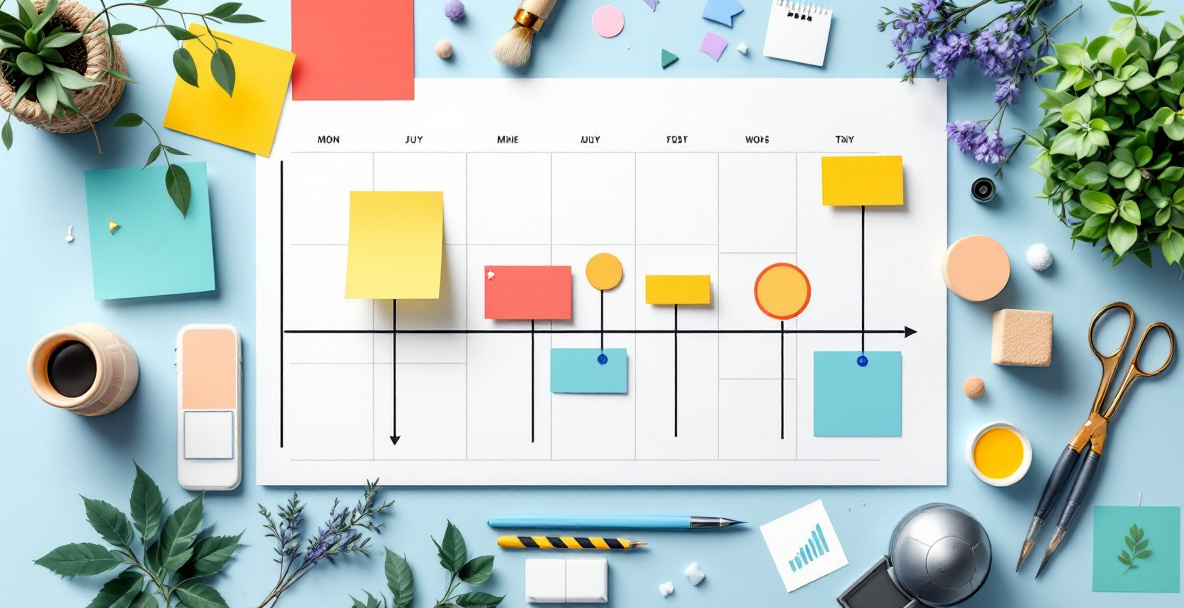
Discovery and research usually take the first several days, followed by initial concept presentation, then one or two revision rounds before final delivery. Projects tied to a larger rebrand or website launch often run longer, since the logo needs to sync with other design decisions happening in parallel.
Bringing your logo into your broader brand and marketing system
A logo only earns its value once it’s applied consistently across your website, ads, and communications. Treating it as a one-off deliverable disconnected from the rest of your marketing is one of the most common reasons brands feel inconsistent even when the logo itself looks good.
This is where a foundation-first approach pays off. At Holly Acre Media, brand design and creative work is handled as part of a connected system alongside strategy, website design, and messaging, so the logo you end up with actually fits the infrastructure it needs to live in rather than being designed in a vacuum. If your business is weighing whether to hire a freelancer for a quick logo or invest in a partner who ties the mark to your full marketing foundation, that decision usually comes down to how much the logo needs to carry across your brand long-term.
If you’re not sure which path fits your stage of growth, reaching out for a conversation is a low-pressure way to get clarity before committing budget either way.
Frequently asked questions
Can I trademark a logo I get from a template-based generator?
Trademark eligibility depends on distinctiveness, not the tool used to create it, but template-based logos carry higher risk of overlapping with other businesses that used the same or similar templates. A trademark attorney, not the design provider, should confirm eligibility before you rely on the mark long-term.
Do I need a new logo if I’m just updating my website?
Not necessarily. If your current logo still reflects your positioning and works well visually, a website update doesn’t require a new logo. But if the logo feels dated or disconnected from your current brand voice, a website relaunch is often a practical time to address both together.
What’s the difference between a logo and a brand identity?
A logo is a single visual mark. A brand identity is the full system around it, including color palette, typography, imagery style, and usage guidelines that let the logo work consistently across every touchpoint.
Should startups invest in a premium logo before launch?
Startups benefit more from a logo that’s strategically sound than one that’s expensive. A clear, well-considered mark tied to your positioning matters more at launch than a large budget, though it should still be built with enough flexibility to grow as the business does.
How do I know if a logo design is “done” and ready to use?
A logo is ready when it holds up at small sizes, works in a single color, and looks correct against both light and dark backgrounds. If it only looks good in one specific format or color treatment, it needs further refinement before rollout.