
Choosing between brand identity design services can feel overwhelming when every agency promises “beautiful design” but few explain how that design actually connects to growth. The right partner does more than design a logo. They build a visual and verbal system that shows up consistently across your website, your funnels, your ads, and every touchpoint a prospect encounters, so your business looks as credible as it actually is.
This guide breaks down what brand identity design services should include, the red flags to watch for, and how to evaluate whether a potential partner will treat your identity as a strategic asset rather than a one-off deliverable.
What Do Brand Identity Design Services Actually Include?
Brand identity design services cover the full visual and verbal system a business uses to present itself: logo, color palette, typography, imagery style, and the messaging voice that ties it all together. A strong brand identity partner delivers a usable system, not just a set of static files.
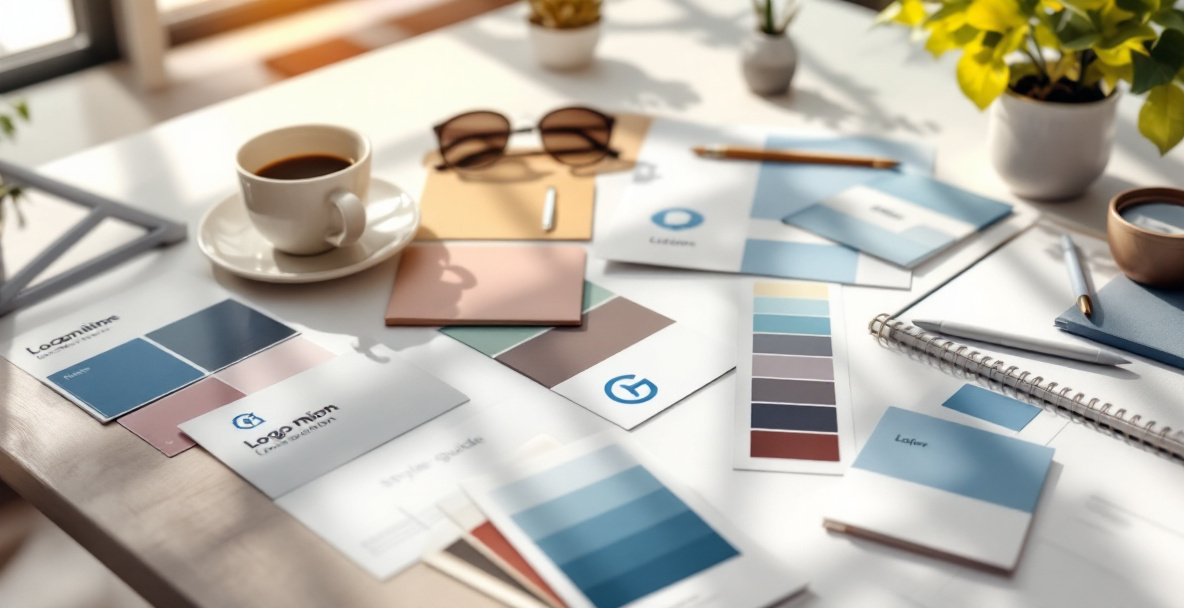
At minimum, expect deliverables like a logo suite (primary, secondary, and icon marks), a defined color palette with usage rules, typography guidelines, and brand voice documentation. More comprehensive engagements also include templates for social media, email, presentations, and packaging, plus a brand style guide that keeps everything consistent as your team grows or brings on new vendors.
Why Consistency Matters More Than a “Pretty” Logo
A logo alone does very little for your business if the rest of your marketing does not reinforce it. Consistency across every touchpoint, from your homepage to your email nurture sequences to your paid ad creative, is what actually builds recognition and trust over time.
Think about the brands you recognize instantly, even from a single color or font. That recognition is not accidental. It is the result of a brand identity applied with discipline across every channel, not just a design file that sits unused after the kickoff call.
Signs You Need a New Brand Identity Design Partner
You likely need a new partner if your current brand assets feel inconsistent, outdated, or disconnected from how your business operates today. Common triggers include a rebrand after a pivot, expansion into new markets, or simply outgrowing a DIY logo that no longer matches your positioning.
Other signals include:
- Your website, social profiles, and print materials all look like they belong to different companies
- Customers frequently confuse you with a competitor or mispronounce your name
- Your team avoids using brand guidelines because none exist or they are outdated
- Your messaging changes depending on who on your team is writing it
If two or more of these apply, it is a strong signal that your current identity is costing you credibility, not just aesthetics.
How to Evaluate Brand Identity Design Services
Evaluate a potential partner by looking at their process, not just their portfolio. A polished portfolio shows what an agency can produce, but the process reveals whether they understand how to connect identity to strategy and results.
Do They Start With Strategy or Straight to Design?
A qualified partner should start with positioning and messaging before touching color palettes or fonts. If an agency jumps straight into mood boards without first understanding your audience, competitors, and business goals, the resulting identity may look nice but fail to differentiate you in the market.
Ask potential partners how they approach strategy and positioning before design work begins. The strongest engagements treat brand identity as an extension of business strategy, not a separate creative exercise.
Will the Identity Actually Translate Across Your Marketing?
A brand identity is only valuable if it holds up across every format it needs to appear in, from a mobile landing page to a printed brochure to a paid social ad. Ask to see examples of how a partner has applied a single identity system across multiple channels for past clients.
This matters especially if your brand identity needs to support high-converting landing pages and funnels, where visual hierarchy and trust signals directly affect conversion rates. A beautiful identity that does not convert on your most important pages is not doing its job.
How Do They Handle Handoffs to Web, CRM, or Ads Teams?
The biggest risk in brand identity work is not the design itself, it is what happens at the handoff to whoever builds your website, sets up your CRM, or runs your ad campaigns. Many businesses end up with a beautiful brand guide that never actually makes it into their live marketing because no single partner owns the full picture.
This is where fragmented vendor relationships tend to break down. A logo file sent to one freelancer, a style guide ignored by another, and messaging that shifts depending on who wrote the last email. If you are already juggling multiple vendors for design, web, and automation, it is worth asking whether a single accountable partner could reduce that friction. Holly Acre Media’s approach to brand design and creative exists specifically to prevent that gap, treating identity as one piece of a connected system rather than an isolated deliverable.
Brand Identity as Part of a Bigger Growth System
Brand identity works best when it is built as infrastructure, not decoration layered on top of your marketing after the fact. A logo and color palette designed in isolation from your website, funnels, and messaging will always feel disconnected, no matter how skilled the designer.
This is the difference between hiring a freelance designer for a single deliverable versus partnering with an agency that treats identity as one connected piece of your growth engine. When brand design, copy and messaging systems, website design, and CRM automation are built by the same strategic partner, every asset reinforces the others instead of starting from scratch each time.
For businesses further along, this also means your identity needs to hold up in answer engine optimization contexts, where AI-driven search platforms may summarize or cite your brand directly. A clear, consistent identity and voice make it easier for both humans and AI tools to understand who you are and what you offer.
Questions to Ask Before Signing With a Brand Identity Partner
Before signing, ask direct questions about ownership, timelines, and how the identity will connect to your broader marketing. Vague answers here are a warning sign of a fragmented engagement ahead.
Useful questions include:
- Who owns the final files and source assets once the project ends?
- How many rounds of revisions are included, and what happens after that?
- Will the identity be tested or applied across a real landing page or ad before final delivery?
- How does this work integrate with our existing website, CRM, or ad campaigns?
- What does the engagement path look like after the initial identity is delivered?
A partner who answers these clearly, without hedging, is far more likely to deliver an identity that actually gets used.
Building an Identity That Grows With You
The best brand identity design services produce a system flexible enough to expand as your business does, without needing a full rebuild every time you launch a new offer or enter a new market. This is why a documented style guide and voice framework matter as much as the initial design files.
If your business is scaling toward more complex, multi-offer marketing, your brand identity should be built to support that from day one rather than requiring a costly overhaul later. Businesses at this stage often benefit from a more structured, ongoing growth partnership rather than a single standalone project. If you want to discuss what that looks like for your brand, reach out to the team to talk through where your marketing stands today.
Frequently Asked Questions
How much do brand identity design services typically cost?
Costs vary widely depending on scope, from a few thousand dollars for a basic logo and style guide to significantly more for a full identity system that includes messaging, templates, and application across web and marketing channels. Agencies that integrate identity work with broader marketing infrastructure often price it as part of a larger strategic engagement rather than a standalone fee.
How long does a brand identity design project take?
Most brand identity projects take four to eight weeks from strategy kickoff to final delivery, depending on the number of revision rounds and how many applications (web, print, social) are included. Projects that skip the strategy phase move faster but often require costly revisions later.
Do I need a full rebrand or just a refresh?
A refresh is usually enough if your core positioning still holds true but your visuals feel dated or inconsistent. A full rebrand is warranted when your business has pivoted, merged, or expanded into a market your current identity no longer represents accurately.
Can I use a template or AI logo generator instead of hiring a designer?
Templates and AI tools can work for very early-stage businesses with minimal budget, but they rarely hold up as a business scales, since they lack the strategic differentiation and consistency a custom system provides. As soon as your marketing starts driving meaningful traffic and revenue, an inconsistent or generic identity becomes a liability rather than a placeholder.
Should brand identity design be handled by the same agency doing my website and marketing?
It is not strictly required, but it significantly reduces the risk of inconsistency and wasted budget when one accountable partner oversees identity, web design, and marketing execution together. This approach ensures the visual system, messaging, and conversion strategy stay aligned instead of breaking down between separate vendors.