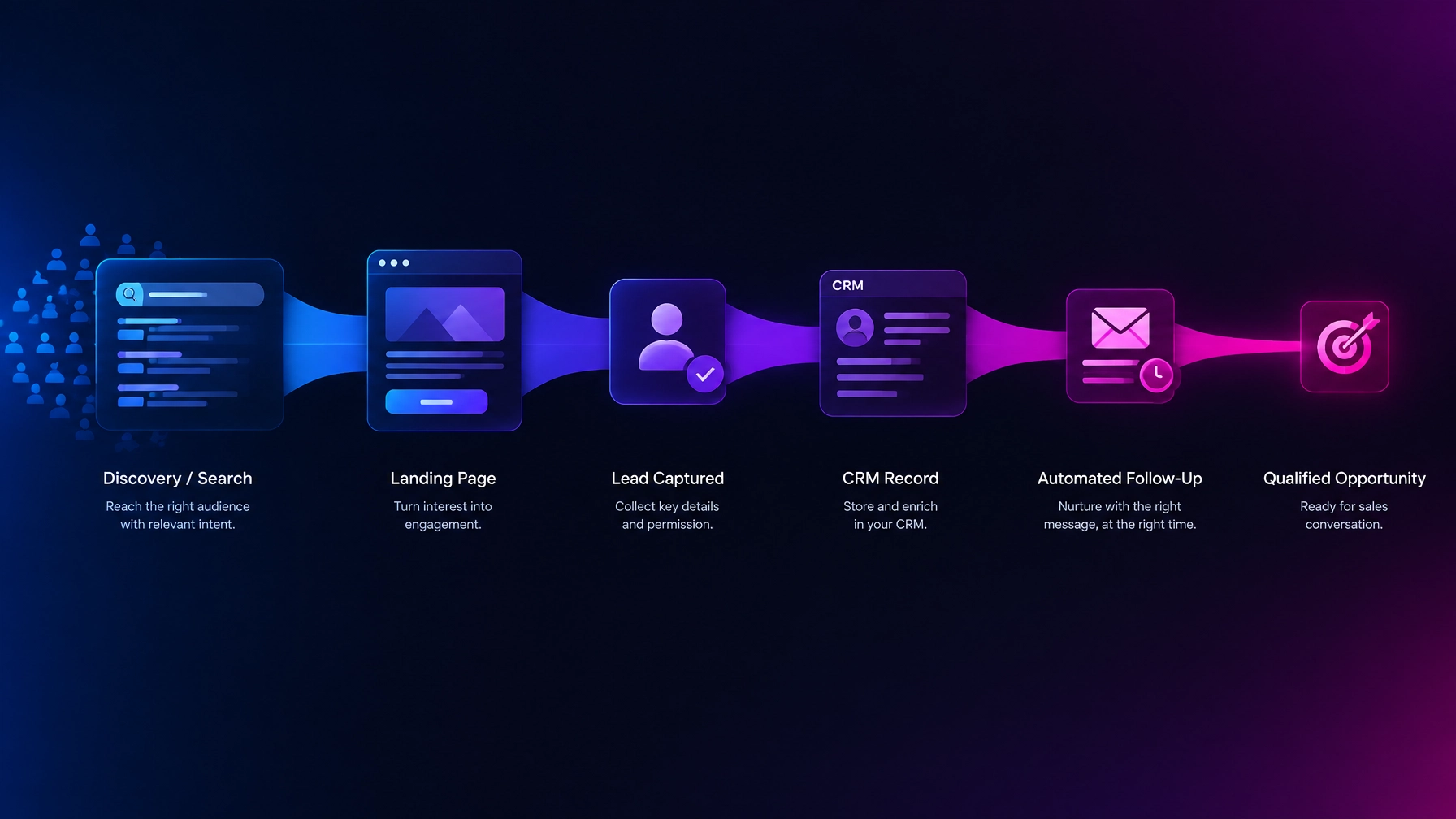



Customer relationship management is no longer just a software choice. It is a core part of how modern businesses attract, nurture, and retain clients. When done well, CRM management gives teams a clear view of the customer journey, improves communication, and helps marketing and sales work together more effectively.
For brands that want growth with structure, optimized crm management is the difference between scattered activity and a system that supports long-term success. Holly Acre Media brings a marketing architecture mindset to this work, helping businesses create CRM strategies that are organized, scalable, and aligned with revenue goals. Learn more about the brand at Holly Acre Media.
What CRM Management Really Means
CRM management is the process of organizing, tracking, and improving every interaction a business has with prospects and customers. It includes the tools, workflows, data, and communication strategies that help teams stay connected to their audience.
A strong CRM system should do more than store contact details. It should help businesses:
- Track leads from first touch to conversion
- Segment audiences based on behavior and interests
- Automate follow-up and nurture campaigns
- Improve customer service and retention
- Measure performance across sales and marketing
Without a clear plan, CRM systems can become cluttered and underused. That is why strategy matters as much as the technology itself.
Why Optimized CRM Management Matters
Many businesses invest in CRM platforms but never fully use them. Data gets duplicated, follow-ups get missed, and valuable insights are lost. Optimized crm management solves these problems by creating a system that is clean, efficient, and built around business goals.
A well-optimized CRM helps teams:
1. Save Time
Automation reduces repetitive tasks such as assigning leads, sending reminders, and updating records. This gives staff more time to focus on meaningful conversations and strategic work.
2. Improve Lead Quality
By organizing contacts properly and tracking behavior, businesses can identify which prospects are ready to buy and which need more nurturing. That means sales teams spend less time chasing unqualified leads.
3. Strengthen Customer Experience
When teams have access to accurate customer history, they can respond faster and more personally. That creates a smoother experience and builds trust.
4. Support Smarter Decisions
CRM data can reveal which campaigns generate the best leads, which channels perform well, and where customers drop off. This helps businesses refine their strategy with confidence.
Holly Acre Media’s Marketing Architecture Approach
Holly Acre Media specializes in marketing architecture, which means building systems that connect strategy, structure, and performance. In CRM management, this approach is especially valuable.
Instead of treating the CRM as a standalone tool, marketing architecture looks at the entire customer journey. It maps how leads enter the system, how they are nurtured, how sales follow up, and how retention is supported after conversion.
This creates a CRM framework that is not just functional, but intentional.
Key elements of this approach include:
- Designing workflows that match the buyer journey
- Creating clear lead stages and definitions
- Aligning marketing and sales handoffs
- Building automation that supports, rather than overwhelms, users
- Using data to refine campaigns and improve results
When the CRM is built with structure, every part of the funnel becomes easier to manage.
Key Features of an Effective CRM System
Not every CRM setup delivers the same value. To get the most from your platform, it should include features that support daily operations and strategic growth.
Contact Segmentation
Grouping contacts by behavior, industry, location, or stage in the funnel makes communication more relevant. Targeted messaging is always more effective than a one-size-fits-all approach.
Workflow Automation
Automation keeps leads moving through the pipeline. It can trigger emails, notifications, task assignments, and follow-up sequences based on user actions.
Pipeline Visibility
A clear pipeline helps teams see where each opportunity stands. This supports better forecasting and accountability.
Reporting and Analytics
Good CRM reporting shows what is working and what needs improvement. Metrics such as conversion rates, open rates, and customer lifetime value provide valuable insight.
Integration with Other Tools
A CRM should connect with email platforms, websites, ad systems, and customer support tools. Integration reduces friction and keeps data consistent across channels. For a useful overview of CRM concepts and practices, see Salesforce’s CRM guide.
Common CRM Mistakes to Avoid
Even strong teams can run into problems if the system is not managed carefully. Some of the most common mistakes include:
- Using too many custom fields
- Failing to clean outdated or duplicate data
- Creating automation without a strategy
- Ignoring user training
- Not reviewing performance regularly
These issues can make the CRM harder to use and reduce its effectiveness. A focused, streamlined setup is usually better than a complex one that no one fully understands.
How to Improve Your CRM Management
Improving CRM performance does not always require a complete rebuild. Often, small changes make a big difference.
Start by reviewing your current data structure. Are your fields and tags clear? Are leads being segmented properly? Is the handoff between marketing and sales working smoothly?
Then look at your workflows. Every automated step should have a purpose. If a sequence is confusing or no longer relevant, it should be updated or removed.
It is also important to audit your reports. Make sure you are tracking the metrics that actually support your business goals. Clean data and meaningful reporting are essential to optimized crm management.
Final Thoughts
CRM management is most effective when it is built on strategy, not just software. Businesses that treat it as part of their larger marketing architecture are better positioned to create consistent customer experiences and drive sustainable growth.
With Holly Acre Media’s expertise in marketing architecture, organizations can build CRM systems that are clear, efficient, and aligned with the way modern customers buy. In a competitive market, that kind of structure is not optional. It is a strategic advantage.